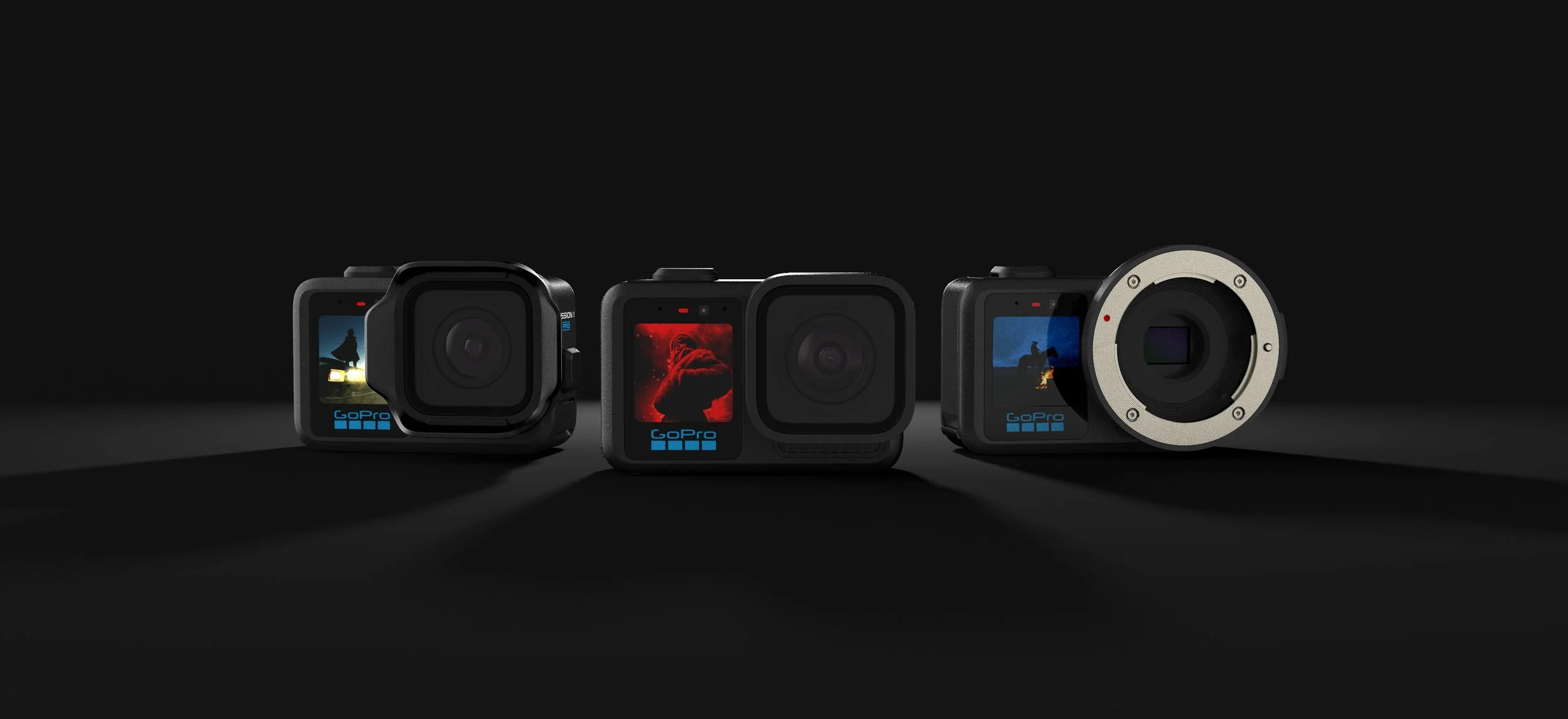
MISSION 1, MISSION 1 PRO, and MISSION 1 ILS (interchangeable lens system) mark GoPro's most significant camera evolution yet — introducing the company's first 50MP 1" sensor and new GP3 processor. With that leap in performance came a design challenge: the cameras needed to look and feel like a genuine leap, not just an update. I explored different design details, materials, and finishes that signal a new era of professional-grade performance, while keeping the accessibility and heritage GoPro is known for.
Scope of work included: design direction & strategy, architecture exploration, CMF exploration, design evolution, accessories and ecosystem development, new manufacturing process development, DFMs and golden samples review, and sustaining manufacturing support. Launched Spring of 2026.
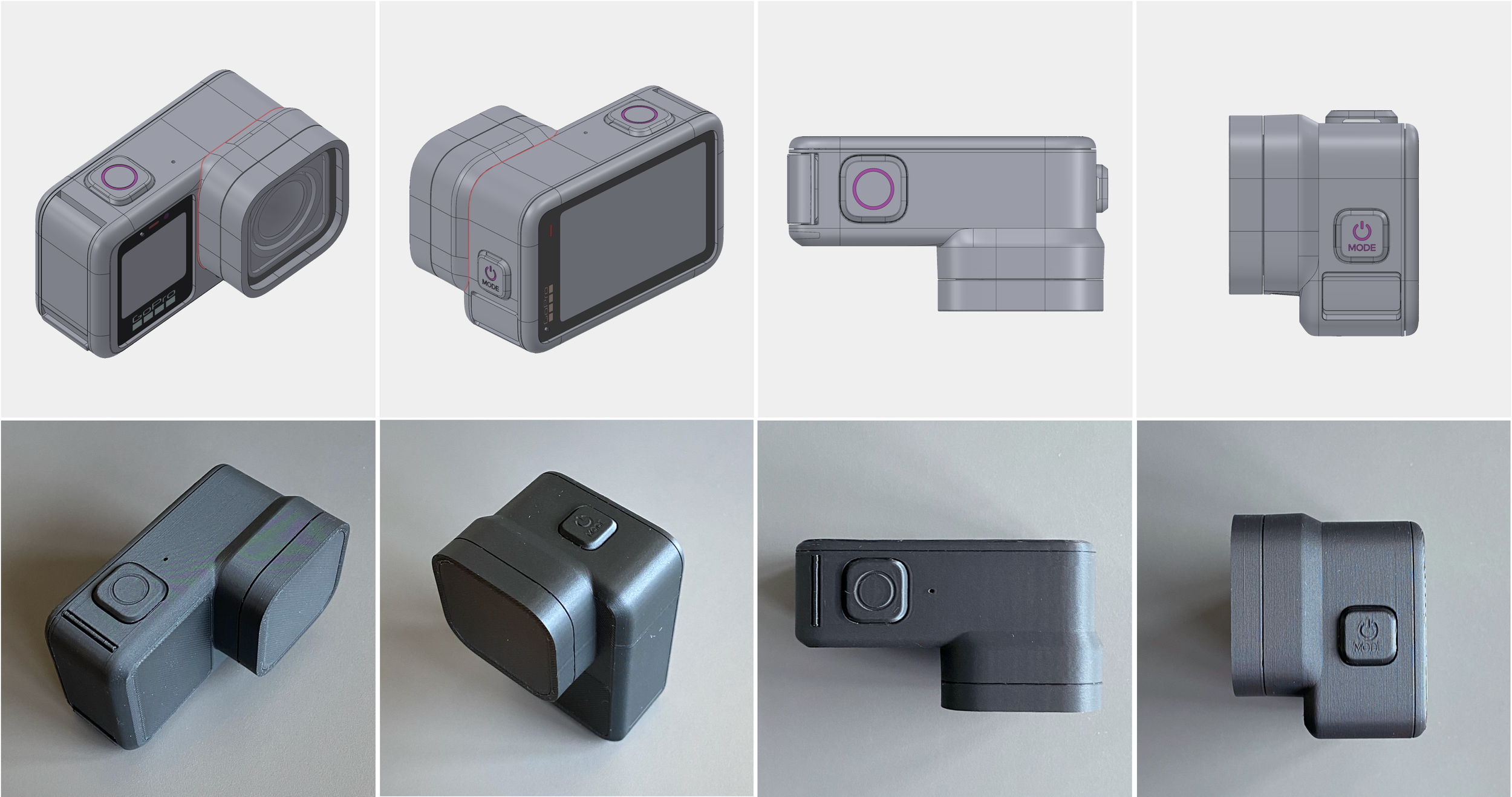
A cinema-quality camera that still feels like a GoPro — that was the goal. I explored different architectures and ways of integrating the lens into the body to keep the housing as compact as possible. By pushing the lens outward to accommodate the larger lens stack and 1" sensor, we gave the camera a bold, powerful presence while preserving the compact silhouette the brand is known for.
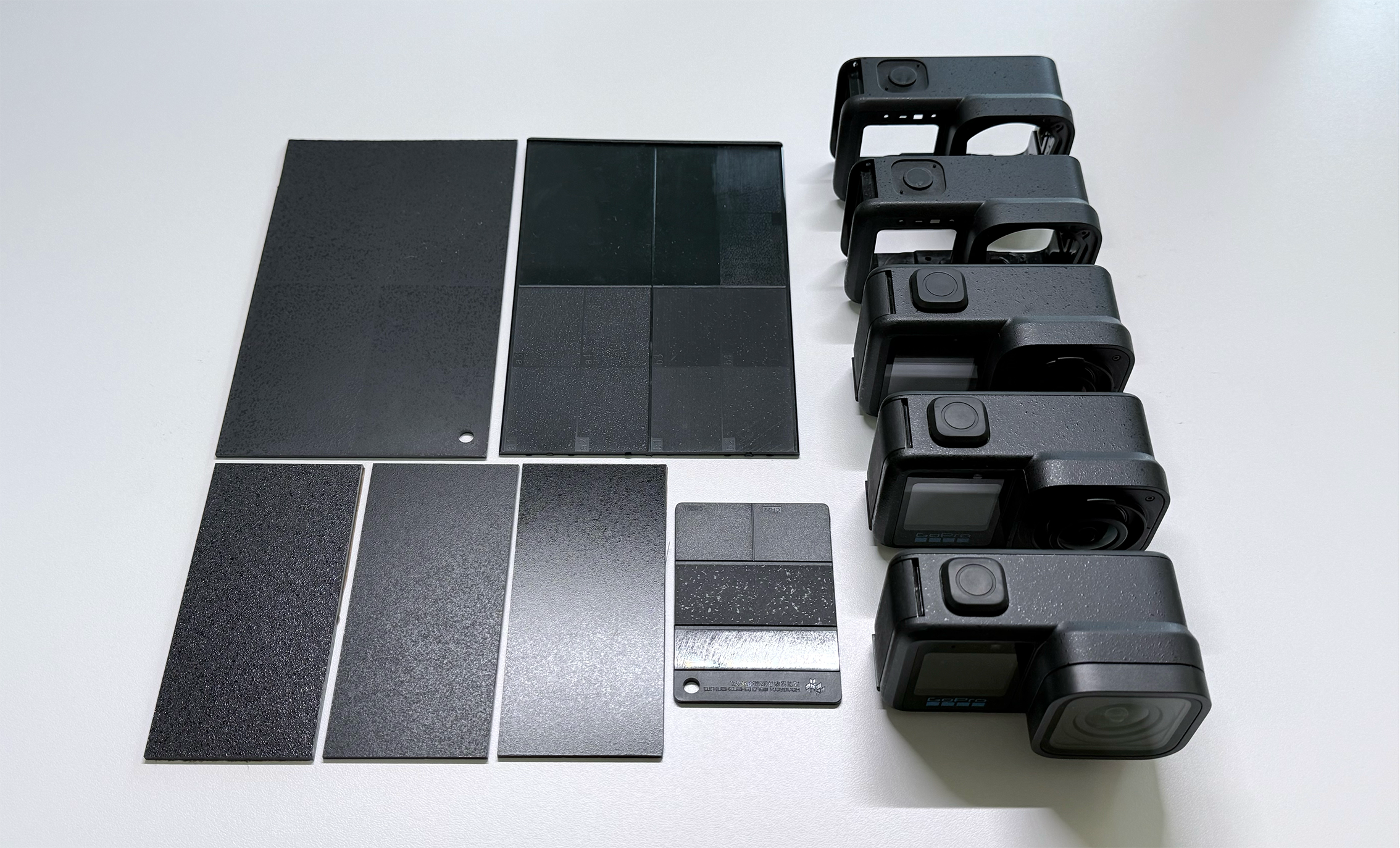
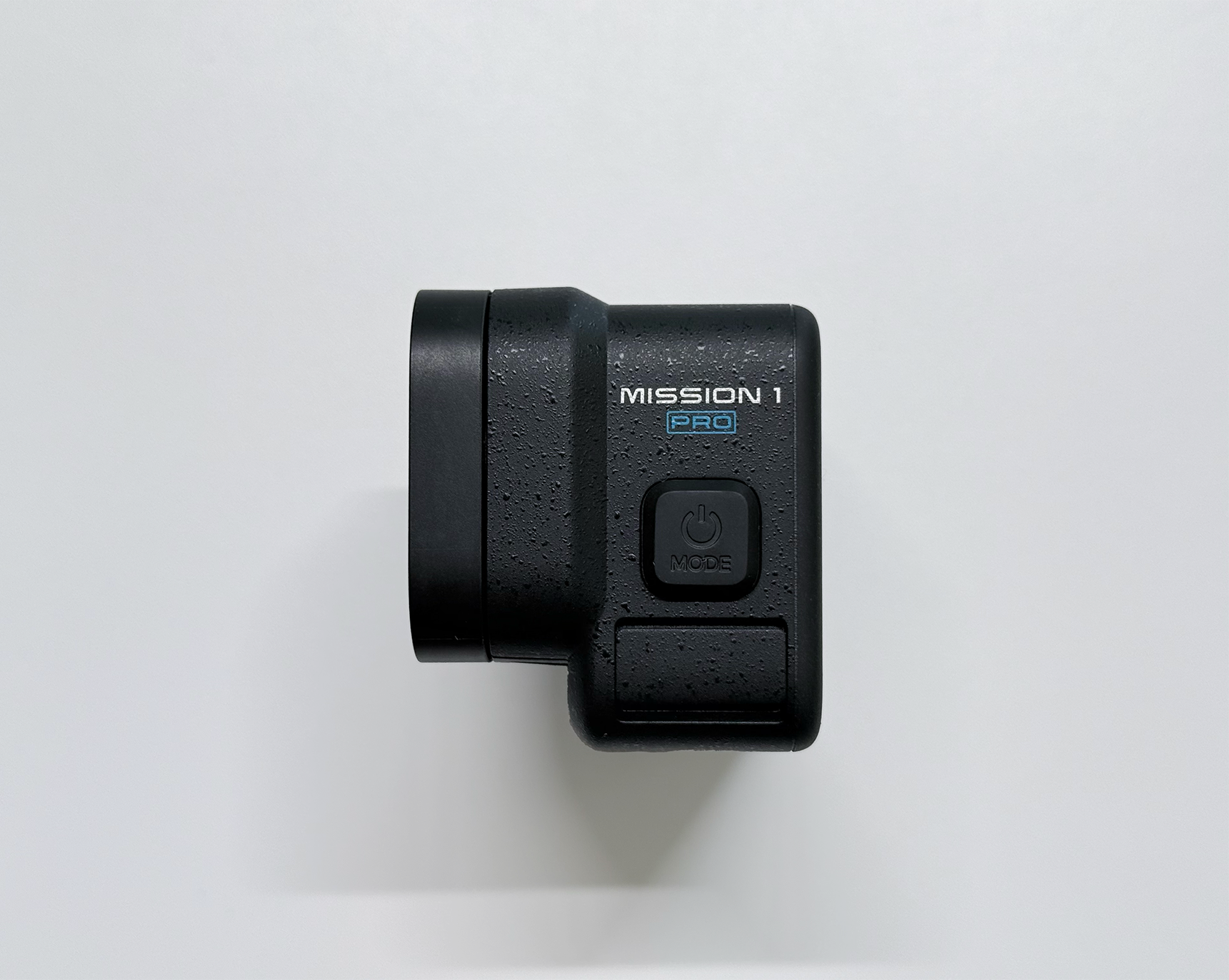
For the MISSION 1 series, we developed GoPro's first splatter texture — designed to give this new generation of professional, cinema-grade cameras a finish worthy of their performance. The process wasn't straightforward. Molded-in textures offered repeatability but fell flat visually, lacking the organic randomness we were after. Painted-on texture proved far more compelling — surface tension creates naturally rounded edges and slightly domed surfaces, and no two cameras look exactly alike. I worked with suppliers to refine painting and nozzle parameters, controlling splatter size, density, and gloss levels to hit our aesthetic targets. The final process is not only visually distinctive but fully manufacturable and meets GoPro's stringent reliability and chemical standards.
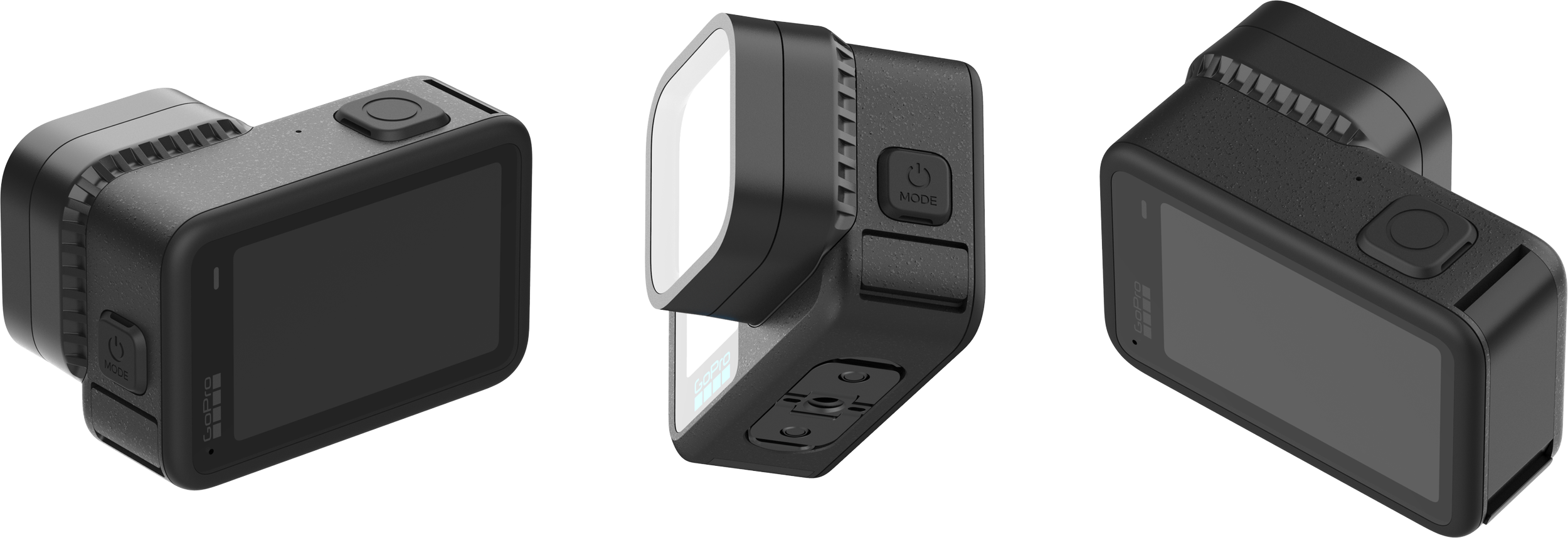
Heat sink fins have become a signature GoPro design detail — conveying power and performance while serving a real thermal function. With the MISSION 1 series, I explored ways to evolve this detail further, generating design concepts to drive cross-functional discussions on the best approach to preventing thermal shutdown. This concept, though not the final direction, was one idea we considered for cooling both the sensor and PCBA.
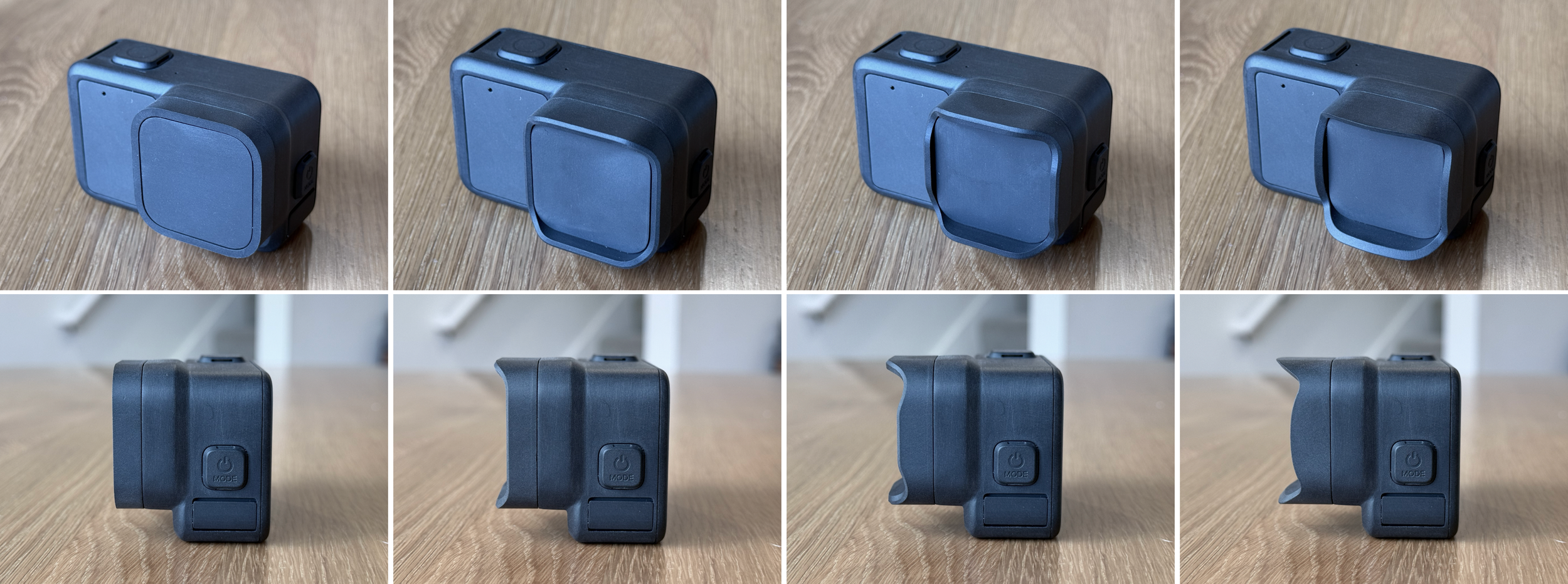
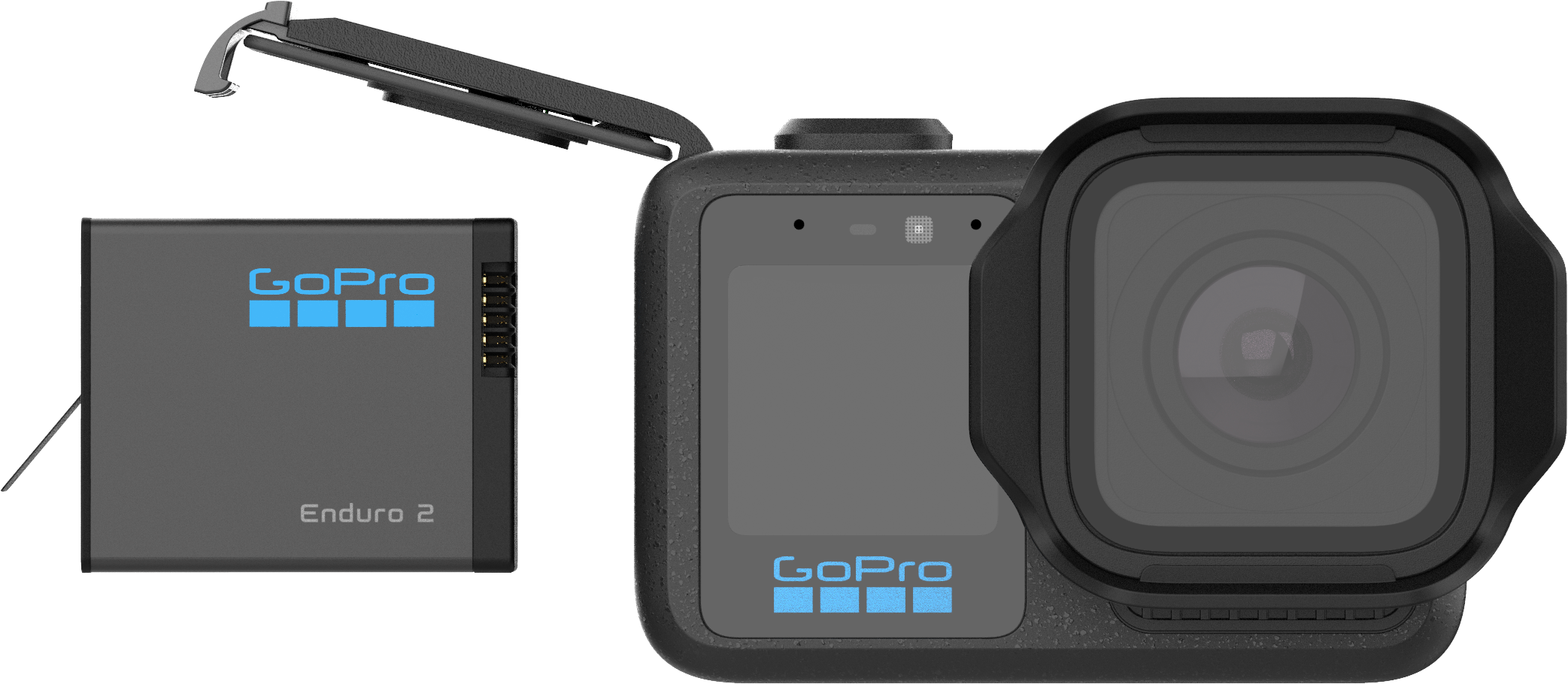
Great shots can be ruined by stray light, causing lens flares and ghosting. Given the cinema and photography focus of the MISSION 1 series, we explored lens hood designs that eliminate these distractions - balancing function with compactness and giving shooters the control they need to capture a clean, cinematic image every time. The final lens hood is a separate, removable part — giving users the flexibility to attach or detach it as needed, which also improves audio performance in high wind settings..
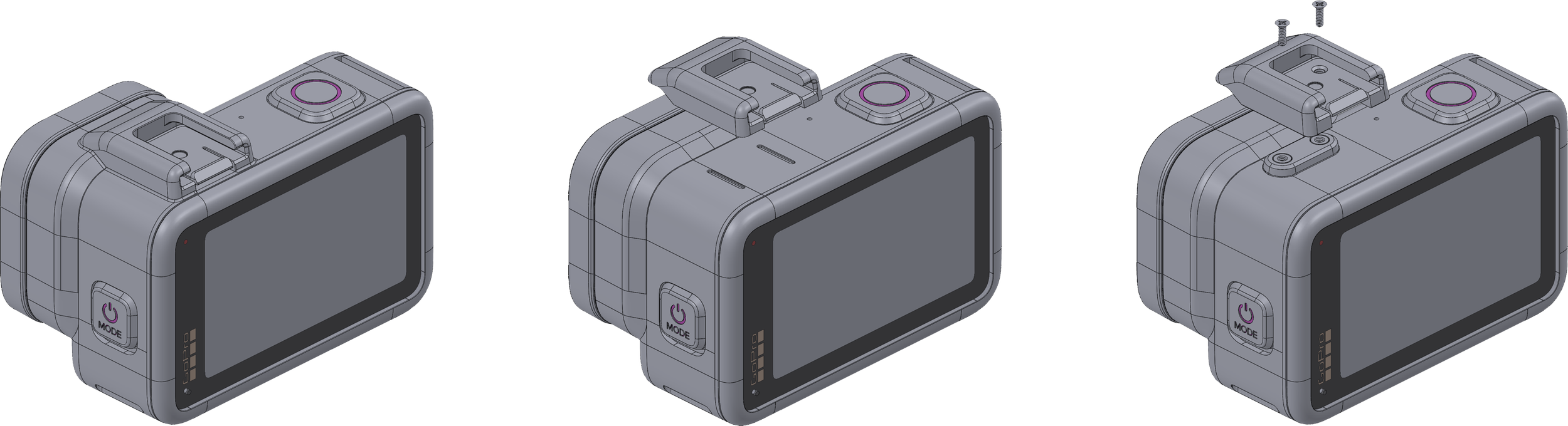
Not every feature makes it to the final product — and good design is knowing when to leave something out. We explored cold shoe options for the MISSION 1 series, weighing molded-in, glued-on, and screwed-on approaches with user replaceability as a key requirement. I worked with engineering to ensure any solution wouldn't compromise antenna and GPS performance, and drove alignment with the product team on the broader impact to design, cost, and schedule. In the end, we moved the cold shoe to the Media Mod accessory to keep the camera compact and focused.
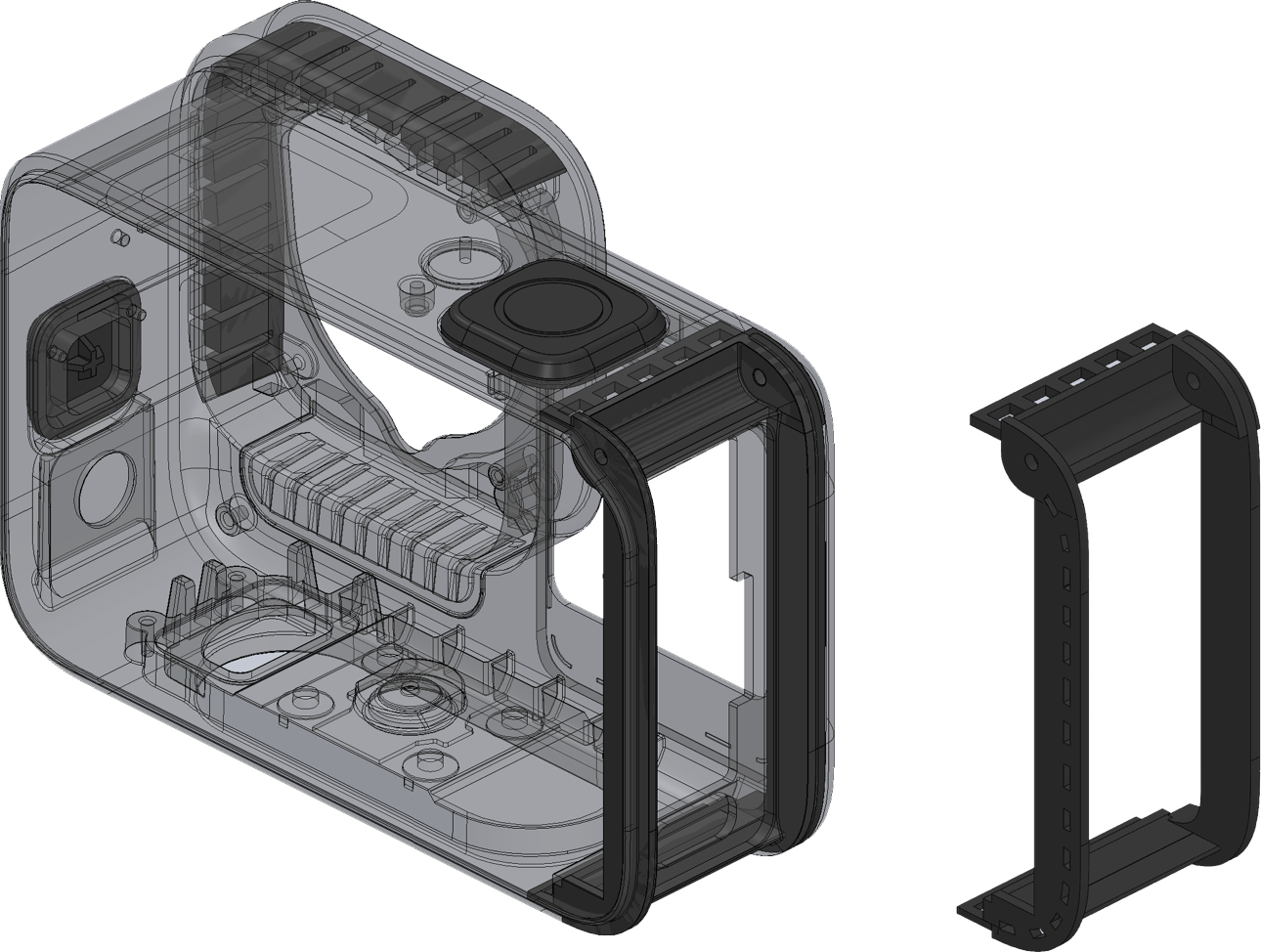
METAL INSERT TO STRENGTHEN DOOR HINGE
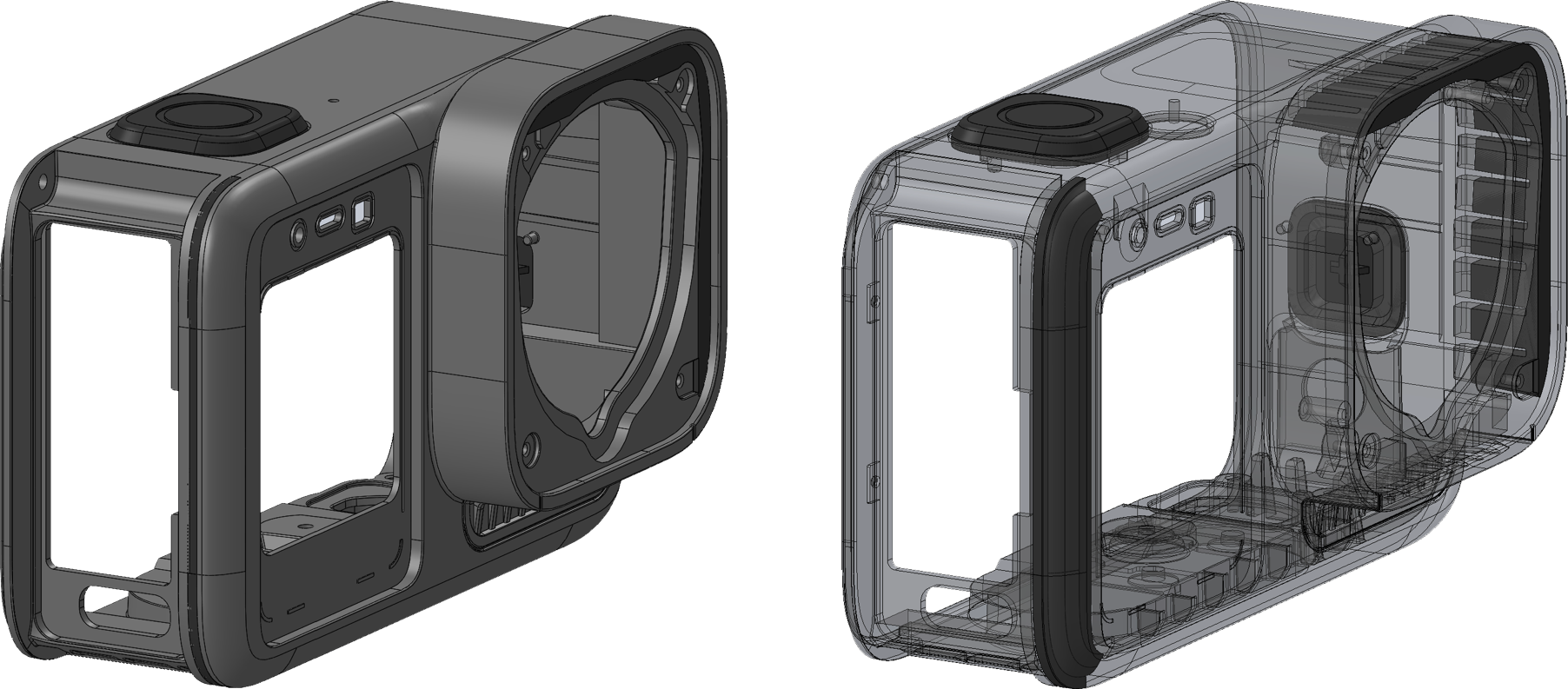
2ND SHOT TPE TO RESOLVE INCONSISTENT WALL THICKNESS & SINK ISSUES
During DFM, two key challenges required creative solutions. The first was strengthening the door hinge — not just for the door itself, but to future-proof the camera for potential accessories that mount to the battery bay. The pin and surrounding housing needed to withstand the shock and vibration of GoPro's harshest use cases. Collaborating with the engineering team, I explored metal inserts to act as a skeletal frame, adding strength without compromising the design. The second challenge was inconsistent wall thickness causing sink issues during molding. Our solution was to core out the first-shot PC and fill it with a second-shot rubber. Working with our suppliers, we minimized any flash between the two materials, with any remaining part lines naturally concealed by the splatter texture.
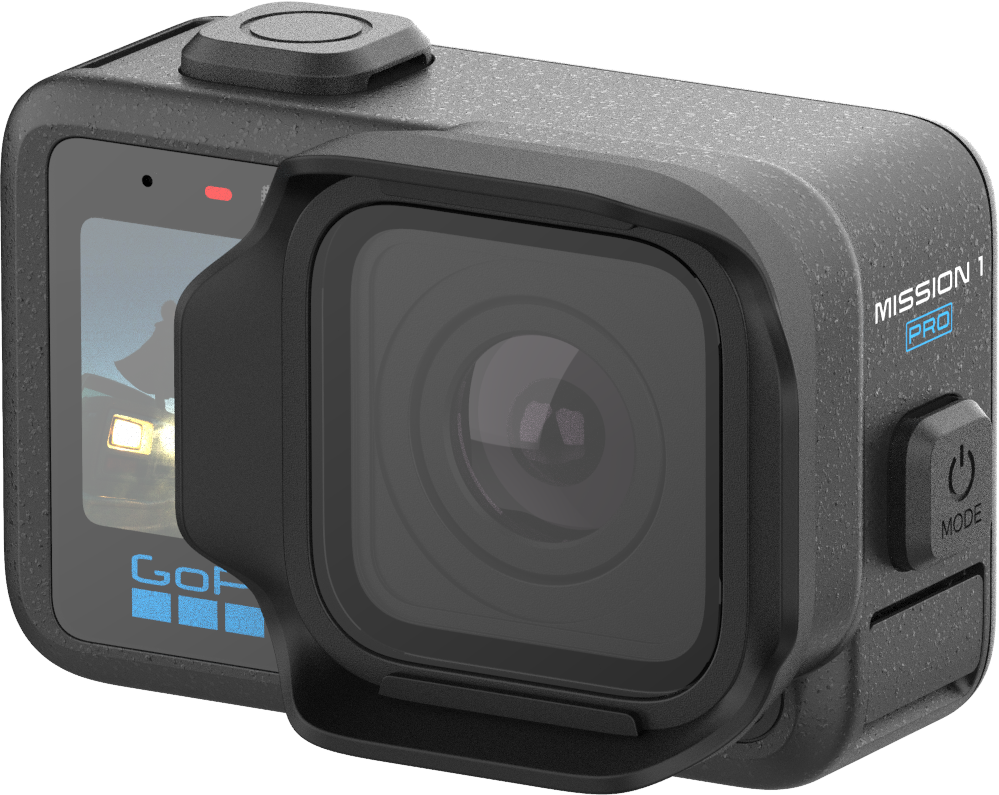
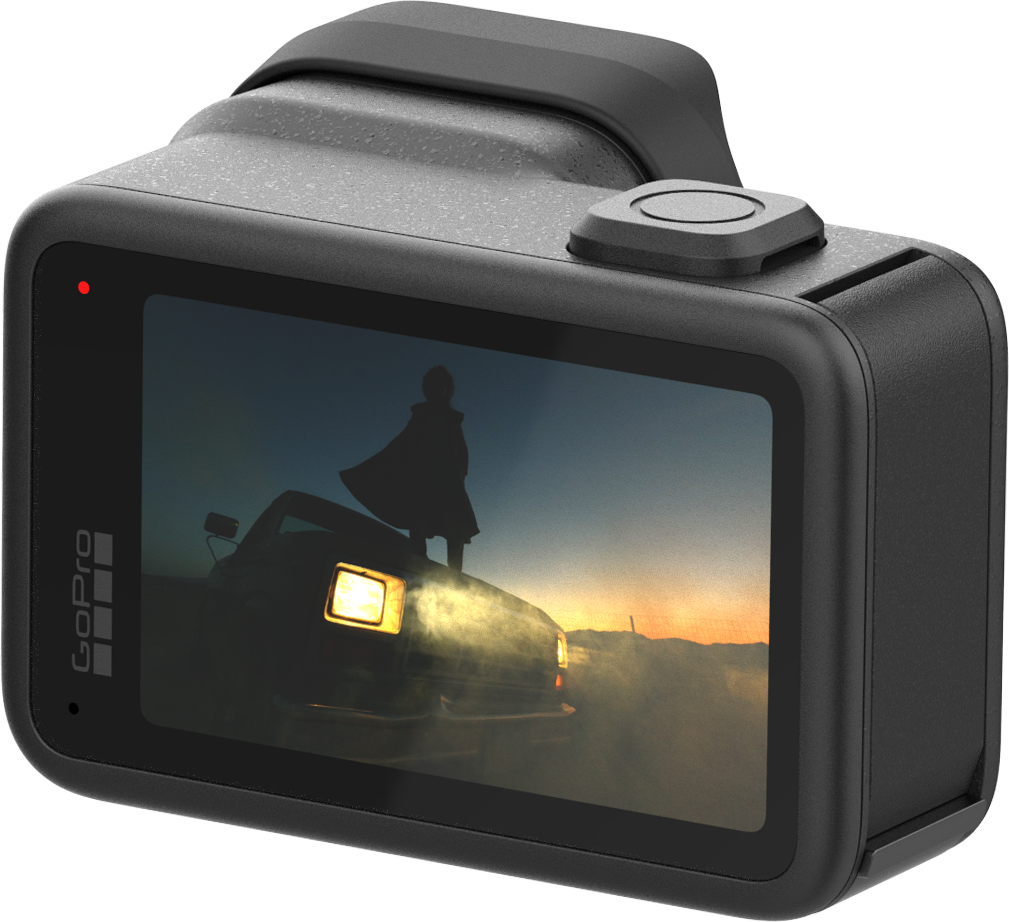
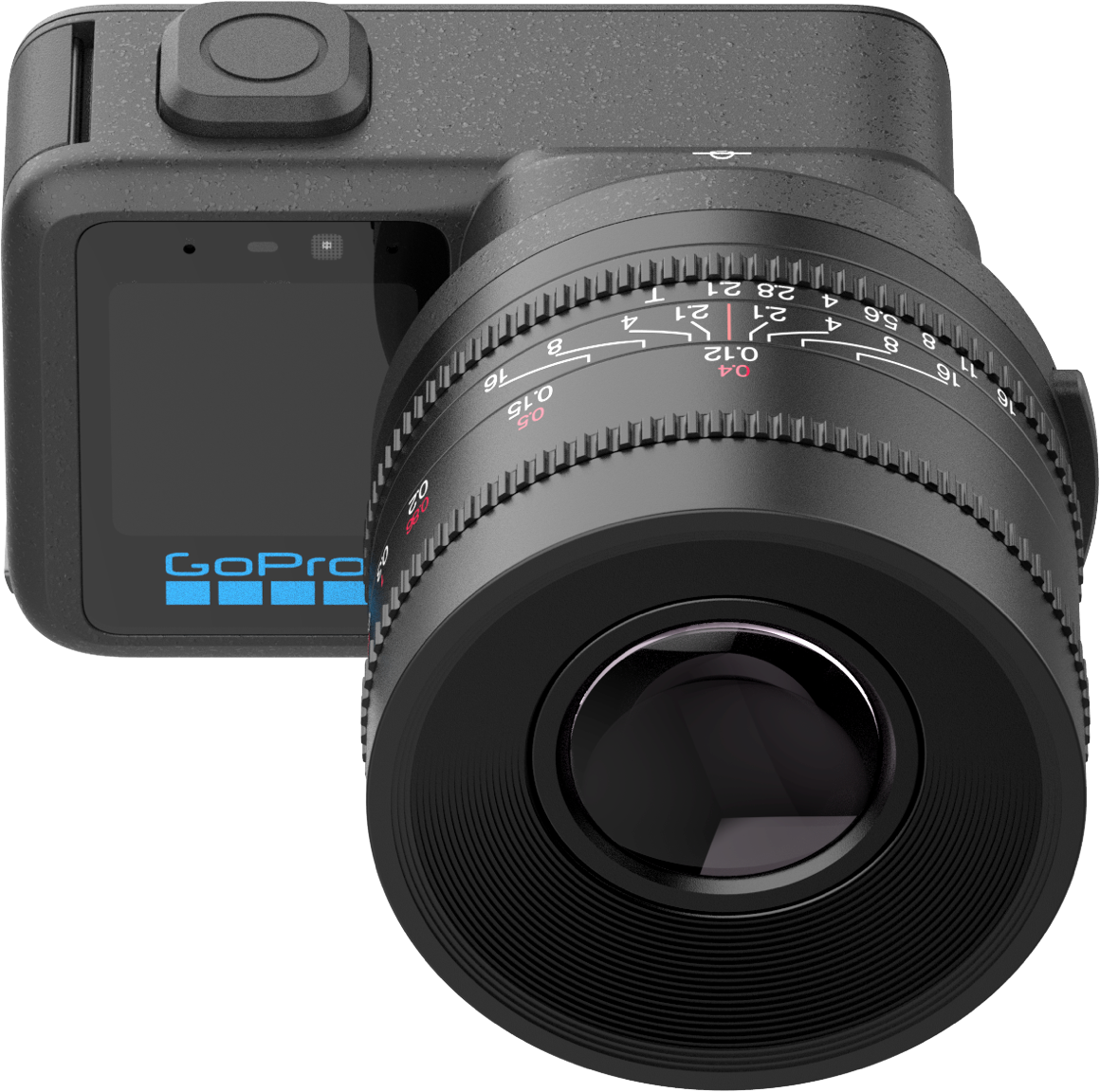
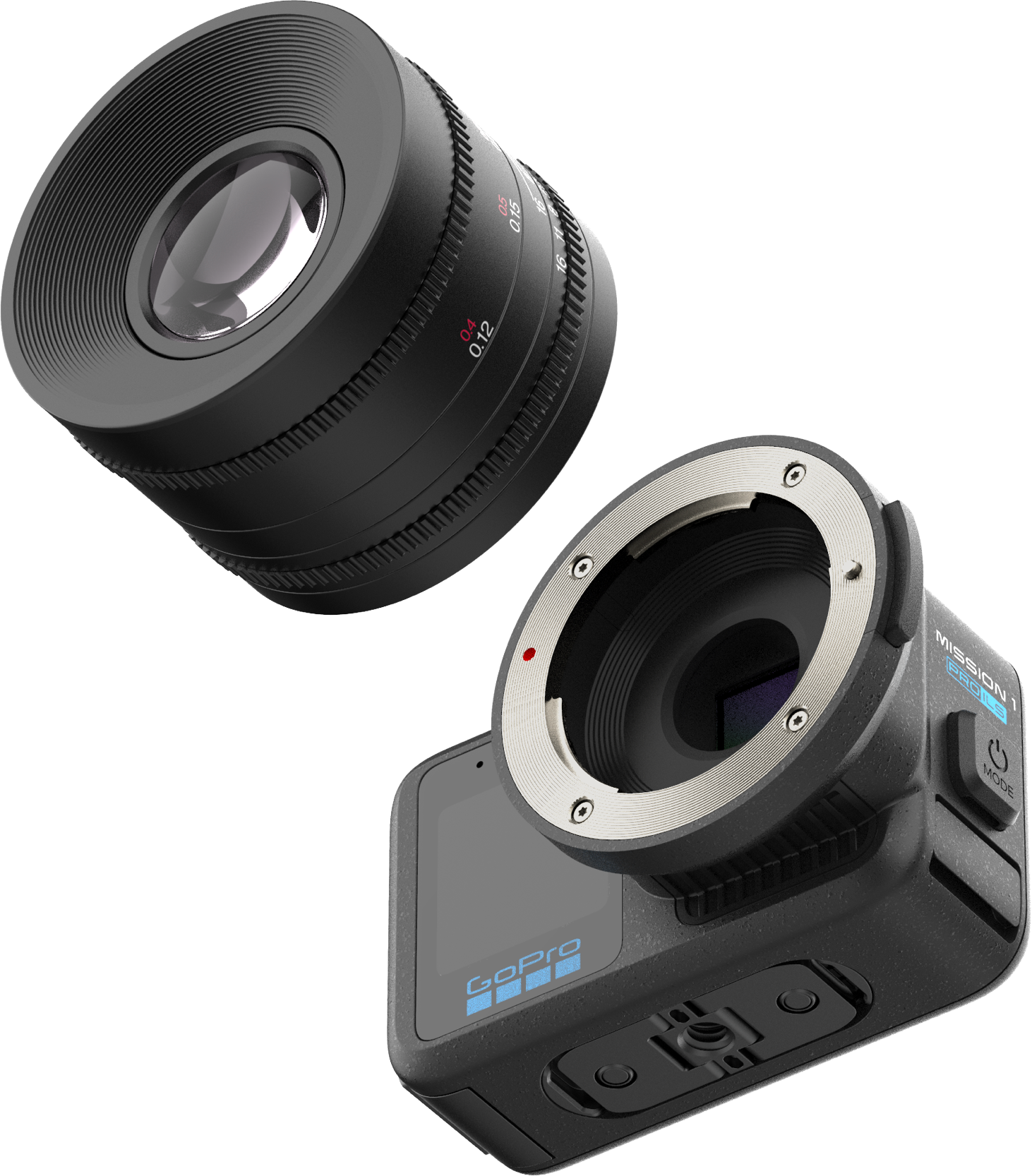
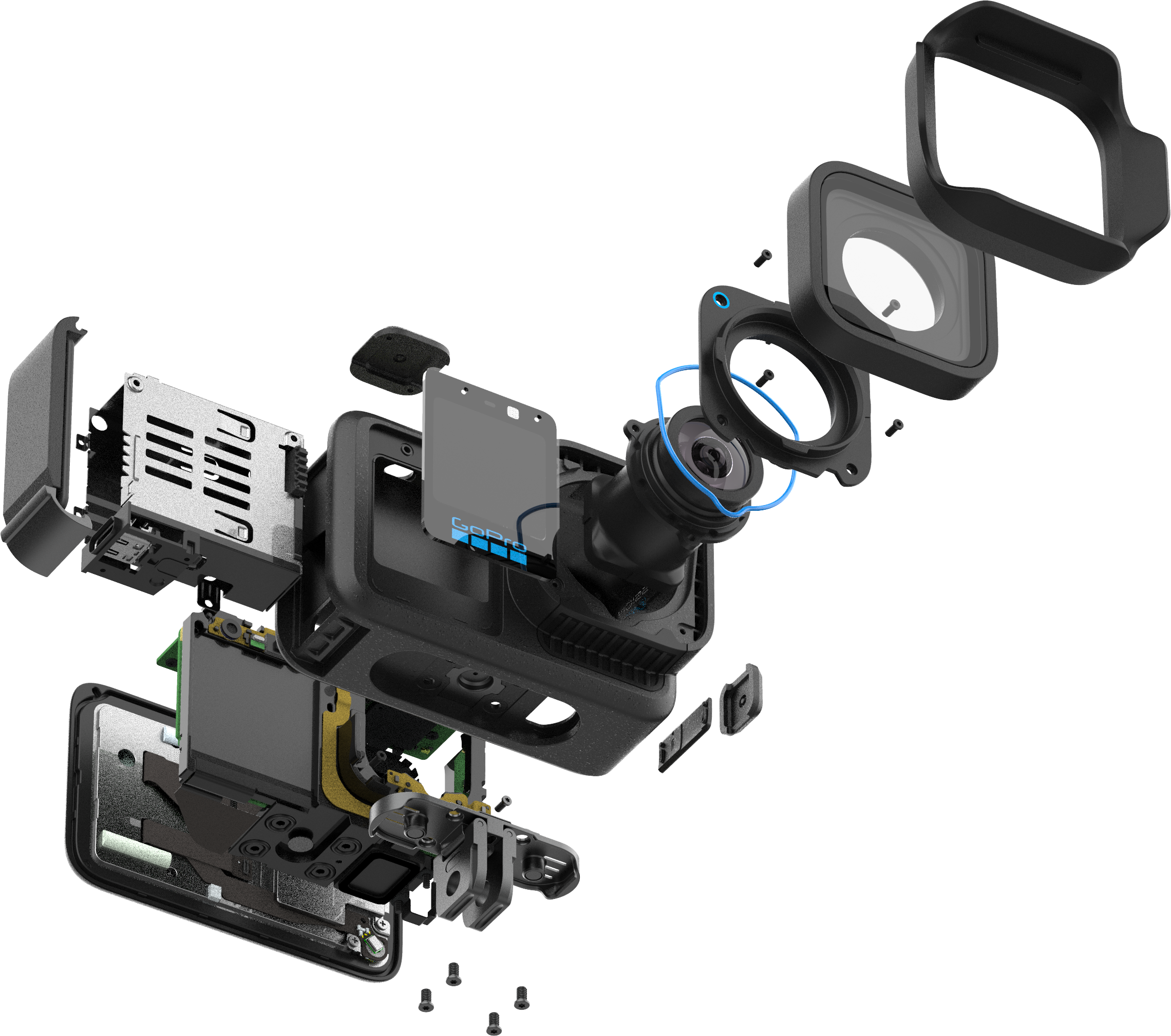
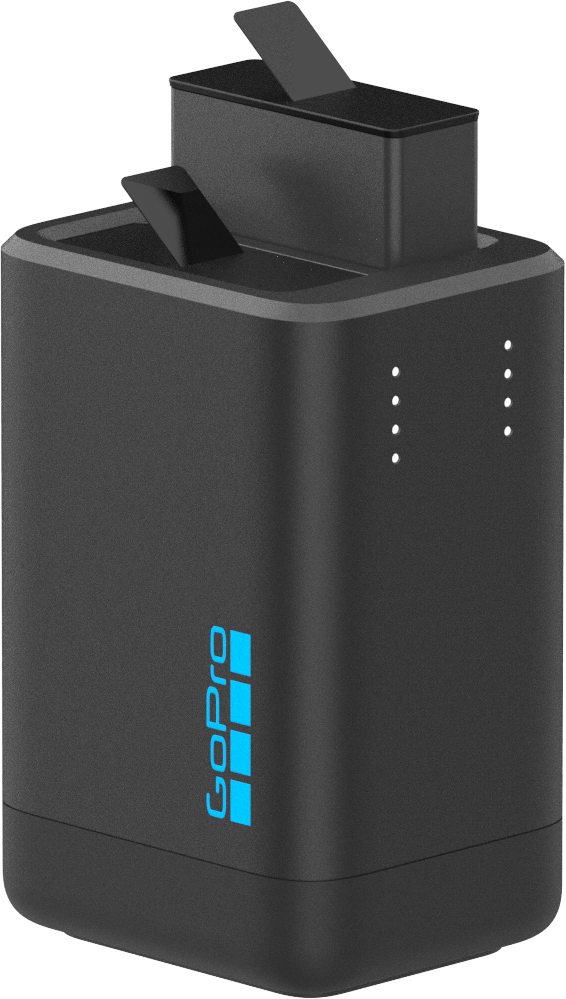
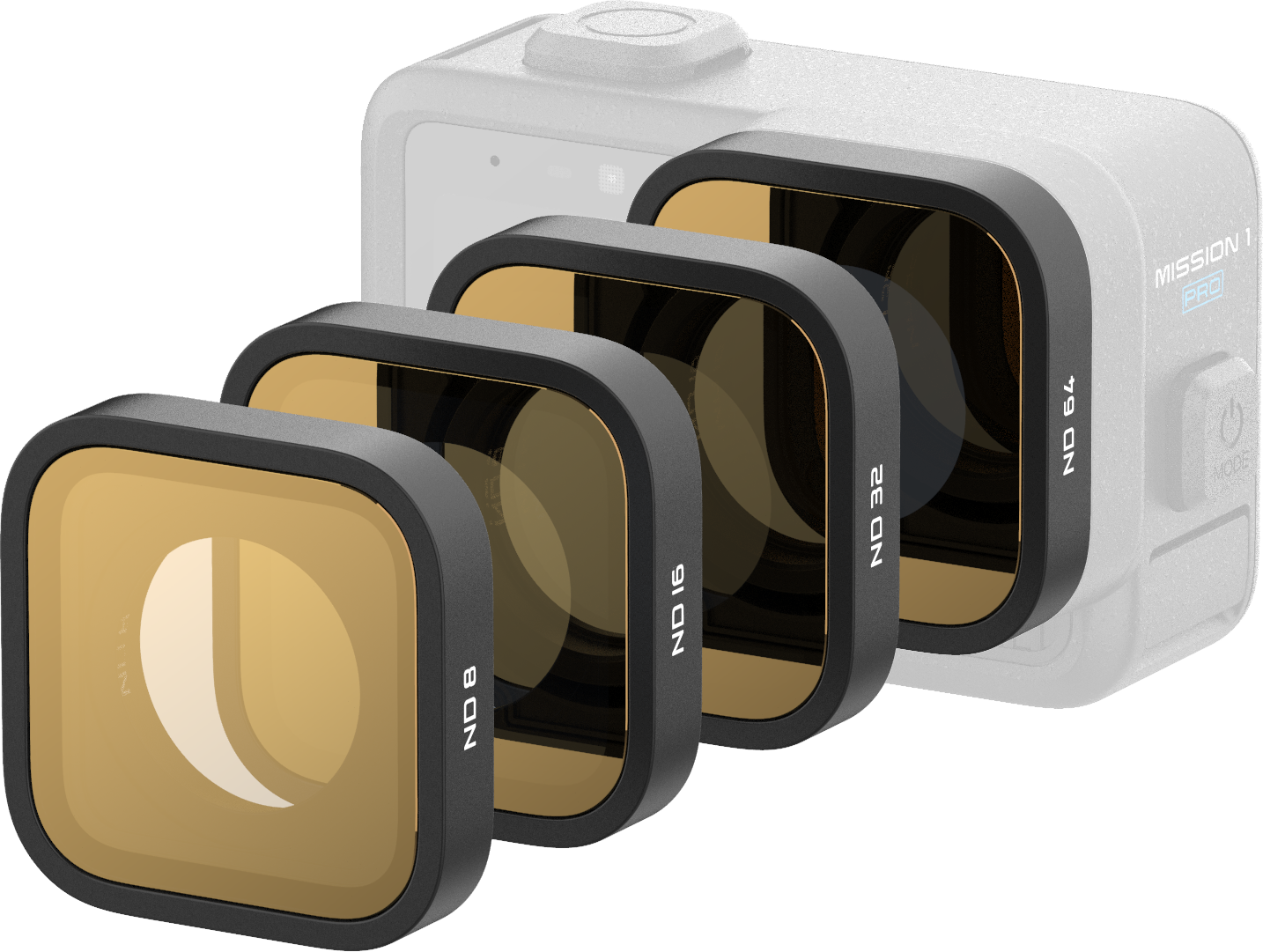
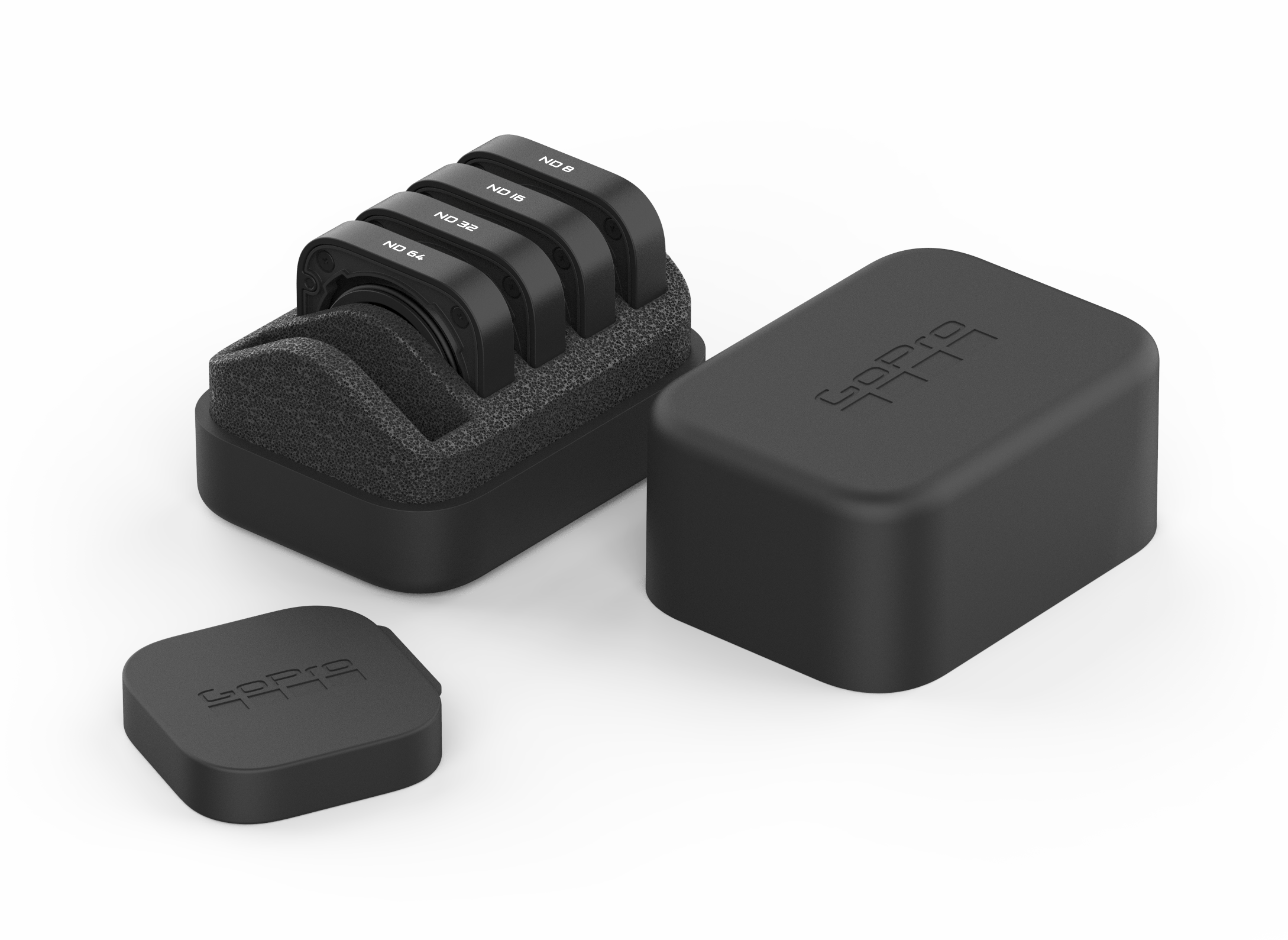
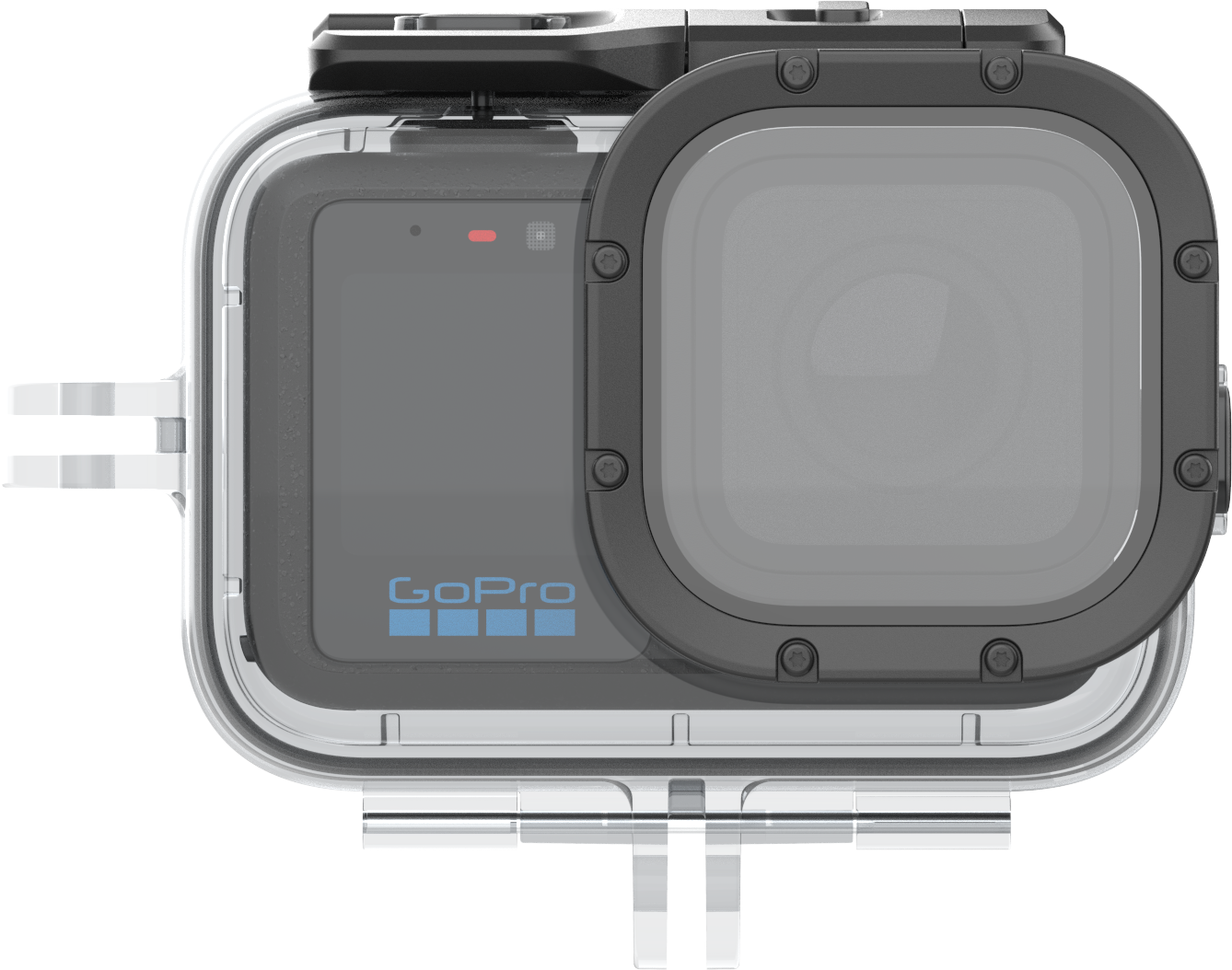
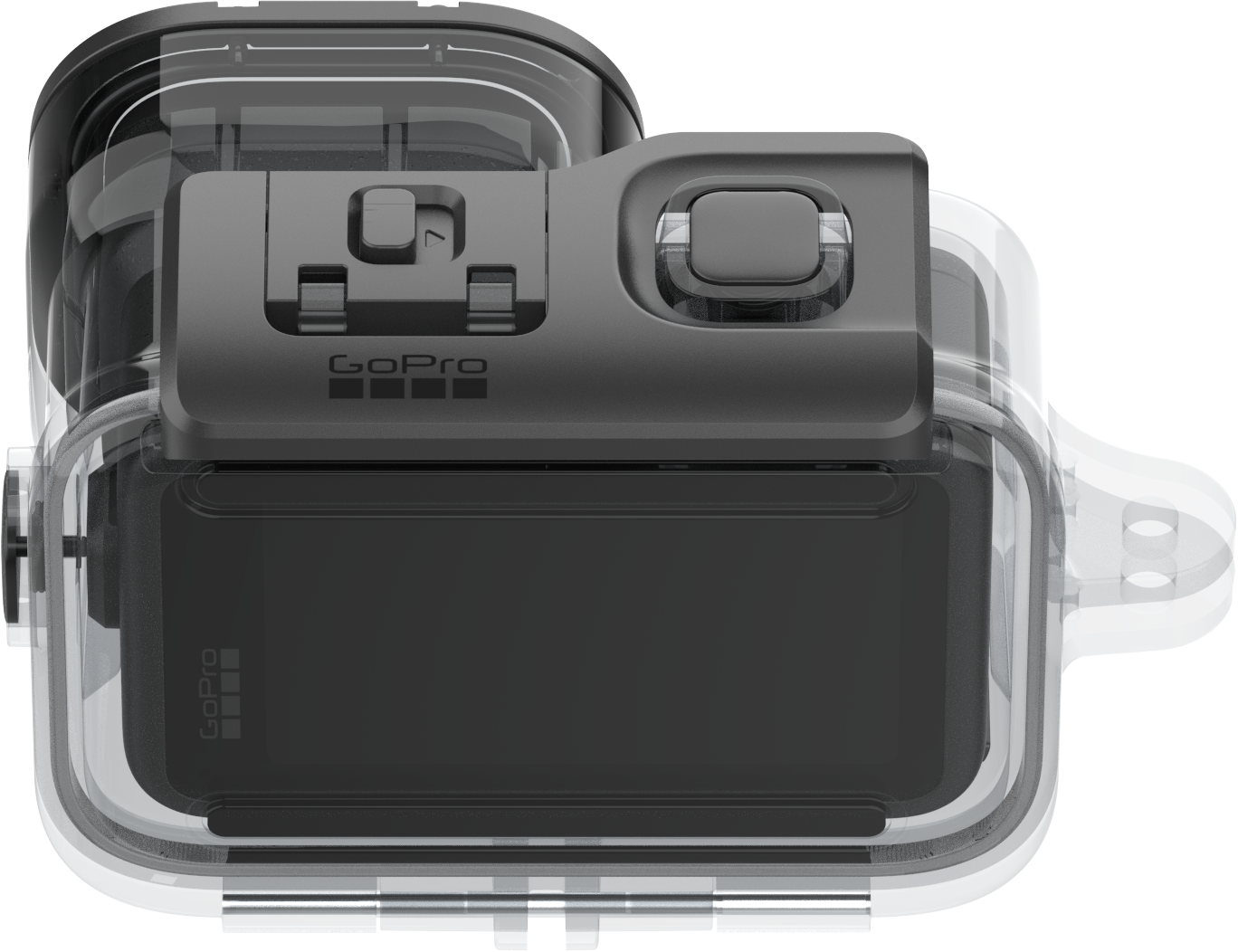
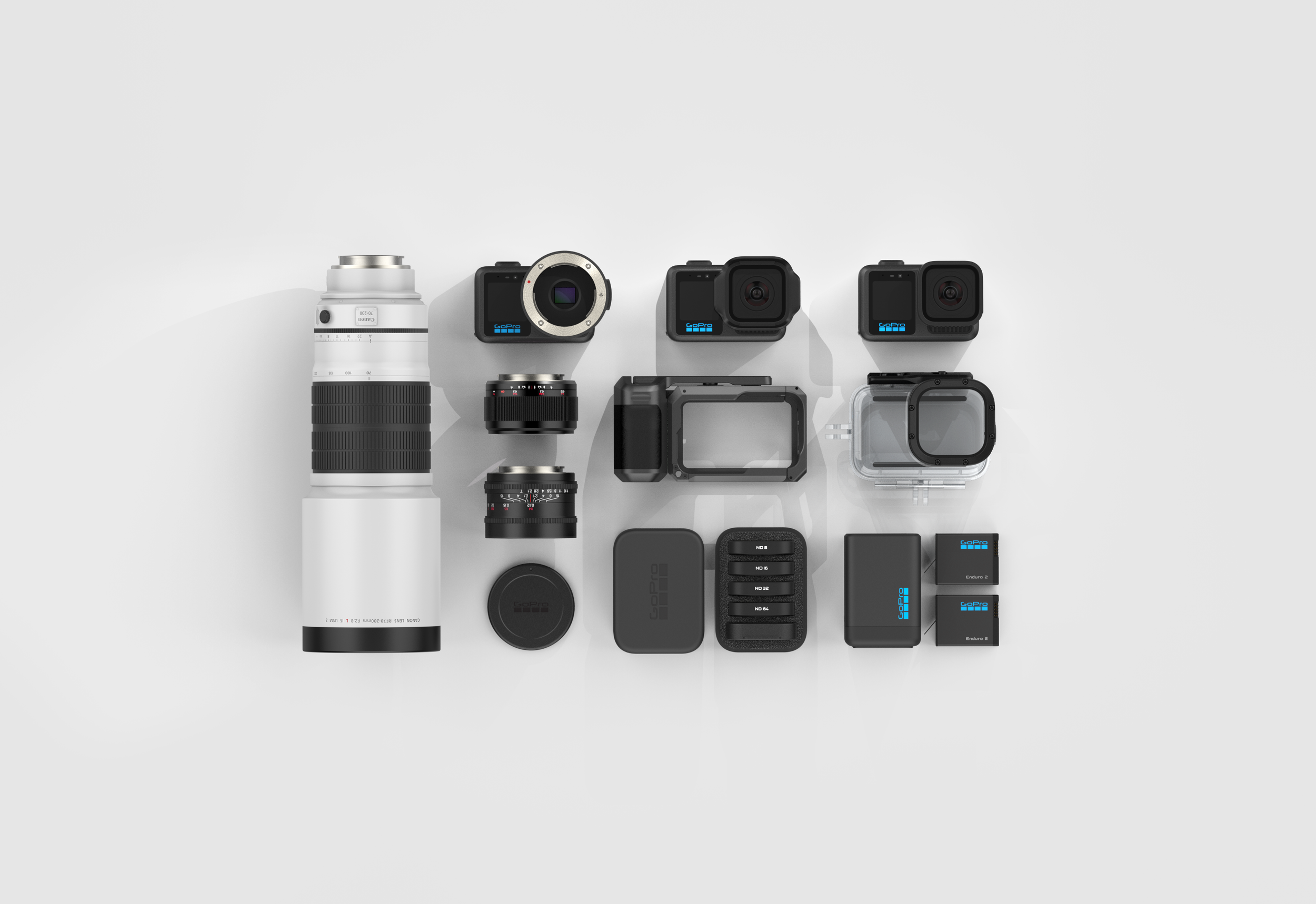
Beyond the camera itself, I collaborated with the PDM and engineering teams to develop an ecosystem of accessories for the MISSION 1 series. The initial lineup includes a removable lens hood (GoPro's first) to block stray light, a fast-charging dual battery charger capable of reaching 80% in approximately 20 minutes (also another GoPro first), a set of ND filters, and an underwater protective housing for the most extreme use cases.